
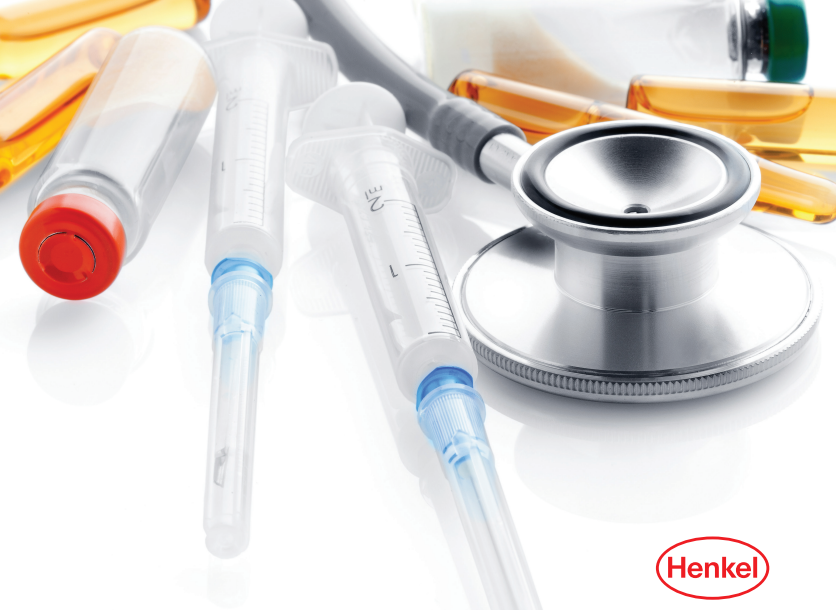
The medical device industry demands absolute precision. Whether assembling catheters, syringes, wearable sensors, surgical instruments, or diagnostic equipment, manufacturers rely on accurate fluid dispensing systems to ensure product consistency, patient safety, and regulatory compliance. One of the most critical components in automated fluid application systems is the dispensing valve.
Dispensing valves play a vital role in controlling the flow of adhesives, sealants, UV-curable materials, and other fluids used in medical device assembly. As production standards become stricter and devices become smaller and more complex, manufacturers need dispensing solutions that offer repeatability, cleanliness, and process efficiency.
Among the leading solutions in the market, Loctite dispensing valves are widely trusted for high-precision medical manufacturing applications.
What Are Dispensing Valves?
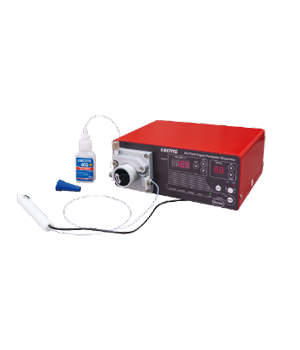
Dispensing valves are precision-engineered devices designed to regulate and control the application of fluids during manufacturing processes. They open and close rapidly to dispense measured amounts of material onto a substrate or assembly component.
In medical device manufacturing, dispensing valves are commonly used to apply:
- Medical-grade adhesives
- UV-curable adhesives
- Silicone sealants
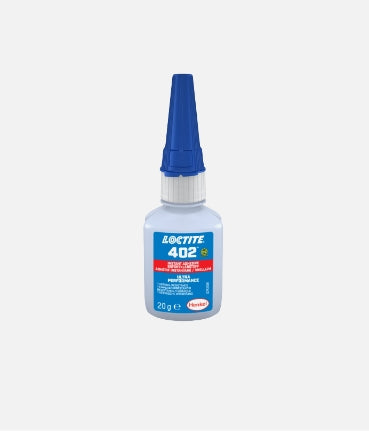
- Cyanoacrylates
- Potting compounds
- Thermal interface materials
The primary goal is to ensure consistent dispensing volumes while minimizing waste, contamination, and defects.
Why Precision Matters in Medical Device Assembly
Medical devices often contain miniature components and intricate geometries. Even a small inconsistency in adhesive application can result in product failure, leakage, contamination, or compromised performance.
For example:
- Catheter bonding requires exact adhesive placement to maintain flexibility and strength.
- Needle assembly requires micro-dispensing accuracy to prevent clogging or excess adhesive.
- Wearable medical electronics require uniform encapsulation to protect sensitive circuitry.
- Diagnostic cartridges need controlled fluid sealing to maintain test accuracy.
Precision dispensing valves help manufacturers achieve repeatable results while maintaining high production throughput.
Types of Dispensing Valves Used in Medical Manufacturing
Different applications require different dispensing technologies. Common dispensing valve types include:
Needle Valves
Needle valves are ideal for low-to-medium viscosity fluids and provide excellent shot consistency. They are commonly used for precise bead dispensing and dot applications.

Diaphragm Valves
Diaphragm valves isolate the fluid from internal moving parts, making them suitable for sensitive or reactive materials. They are often used for cyanoacrylates and acrylics adhesives.
Jet Dispensing Valves
Jet valves dispense fluid without direct contact with the substrate, enabling extremely fast and accurate dispensing for miniature components.
Spool Valves
Spool valves are designed for handling higher-viscosity materials and can maintain clean shutoff characteristics during dispensing operations.
Pinch Tube Valves
Pinch tube valves are suitable for shear-sensitive or particle-filled fluids because the material only contacts the tubing.
Key Benefits of Using Dispensing Valves in Medical Device Assembly
1. Improved Accuracy and Repeatability
Automated dispensing valves ensure that each component receives the exact amount of material required. This reduces variation and improves product consistency.
2. Reduced Material Waste
Over-dispensing can significantly increase production costs, especially when working with specialty medical adhesives. Precision valves minimize excess material usage.
3. Faster Production Speeds
Modern dispensing systems support high-speed automation, allowing manufacturers to increase throughput without sacrificing quality.
4. Cleaner Manufacturing Processes
Controlled dispensing reduces dripping, stringing, and contamination, helping manufacturers maintain cleanroom standards.
5. Enhanced Product Reliability
Consistent adhesive and sealant application improves bond integrity and long-term device performance.
Challenges in Medical Fluid Dispensing
Medical device manufacturers face several challenges when dispensing fluids:
- Handling ultra-low viscosity or highly viscous materials
- Preventing air bubbles
- Maintaining consistent shot sizes
- Avoiding contamination
- Supporting cleanroom requirements
- Meeting FDA and ISO manufacturing standards
- Integrating with automated production lines
This is why selecting the right dispensing valve system is essential for achieving reliable manufacturing outcomes.
Why Manufacturers Choose Loctite Dispensing Valves
Loctite dispensing systems are designed to deliver precise and repeatable fluid application across a wide range of industrial and medical assembly environments.
Loctite dispensing valves are engineered to work seamlessly with adhesives and fluids commonly used in medical manufacturing. Their systems help manufacturers improve process control while reducing downtime and maintenance requirements.
High Precision Dispensing
Loctite dispensing valves are designed for accurate shot control and repeatable dispensing performance. This is especially important for miniature medical assemblies that require micro-volume dispensing.
Compatibility with Multiple Adhesives
Loctite valves support a wide range of materials, including:
- UV adhesives
- Cyanoacrylates
- Anaerobic adhesives
- Silicones
- Epoxies
- Acrylics
This versatility makes them suitable for diverse medical manufacturing applications.
Automation-Friendly Design
Loctite dispensing systems integrate easily into automated production environments, including robotic dispensing platforms and high-speed assembly lines.
Reduced Maintenance
Many Loctite dispensing valves feature durable construction and easy-clean designs that help minimize production downtime.
Consistent Process Control
Consistency is critical in regulated medical manufacturing. Loctite systems help maintain stable dispensing parameters throughout production runs.
Common Medical Applications for Dispensing Valves
- Catheter Assembly
- Syringe Manufacturing
- Wearable Medical Devices
- Diagnostic Devices
- Surgical Instruments
Factors to Consider When Choosing a Dispensing Valve
Fluid Properties: Consider the viscosity, cure mechanism, and chemical compatibility of the fluid being dispensed.
Dispensing Pattern: Determine whether the application requires dots, beads, spray patterns, or continuous flow.
Production Volume: High-volume production environments may require faster valve cycle speeds and automated integration.
Cleanroom Compatibility: Medical manufacturing often requires equipment suitable for controlled environments.
Maintenance Requirements: Easy maintenance can reduce downtime and improve overall operational efficiency.
The Future of Medical Dispensing Technology
As medical devices continue to shrink in size and increase in complexity, dispensing technology is evolving to meet new manufacturing challenges. Manufacturers are increasingly adopting:
- Automated robotic dispensing systems
- Real-time process monitoring
- AI-assisted quality control
- Smart dispensing sensors
- Non-contact jet dispensing technologies
Precision dispensing solutions will continue to play a major role in enabling reliable and scalable medical device production.
Conclusion
Dispensing valves are essential components in modern medical device assembly. They help manufacturers achieve precise fluid control, improve product quality, reduce waste, and support high-speed automated production.
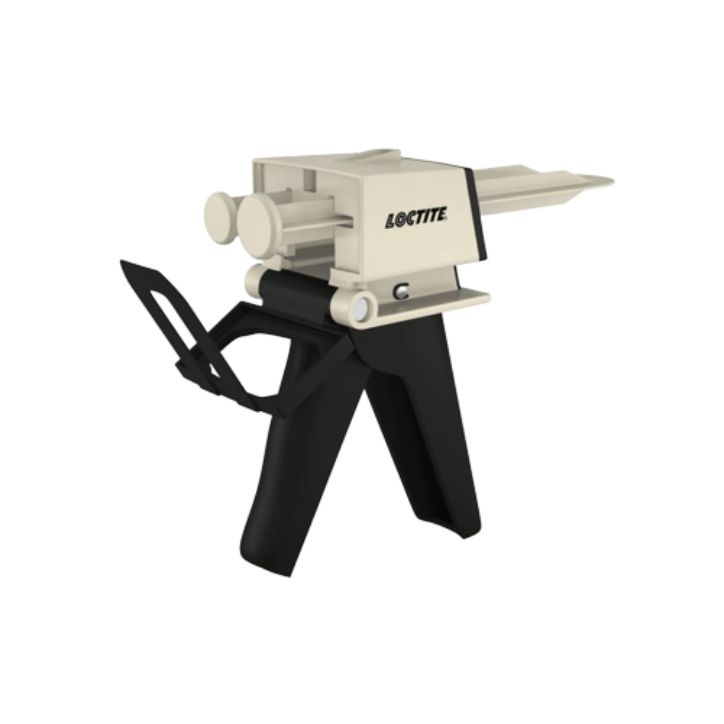
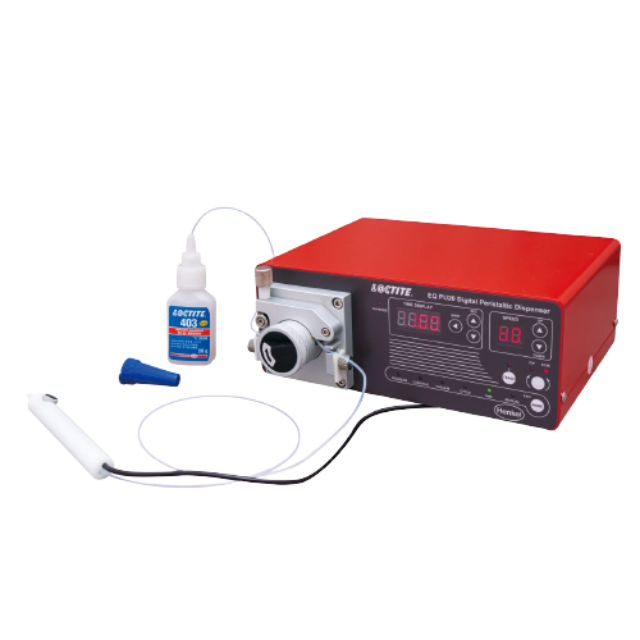
For manufacturers seeking reliable and high-performance dispensing solutions, Loctite dispensing valves and equipment offer proven performance across a wide range of medical manufacturing applications. From micro-dispensing adhesives to supporting automated assembly lines, Loctite solutions help improve efficiency, consistency, and process reliability.
If your production process requires accurate and repeatable fluid dispensing, investing in advanced dispensing valve technology can significantly improve manufacturing outcomes and product quality. Contact us today to learn more on how we can provide this solution!
FAQ
What is a dispensing valve?
A dispensing valve is a device used to control the flow and application of fluids such as adhesives, sealants, and lubricants during manufacturing processes.
Why are dispensing valves important in medical device assembly?
Dispensing valves ensure precise and repeatable fluid application, which is critical for maintaining product quality, reliability, and regulatory compliance in medical manufacturing.
What materials can dispensing valves handle?
Dispensing valves can handle a wide variety of materials, including UV adhesives, cyanoacrylates, silicones, epoxies, lubricants, and sealants.
What are the advantages of automated dispensing systems?
Automated dispensing systems improve accuracy, reduce material waste, increase production speed, and enhance process consistency.
Are Loctite dispensing valves suitable for medical manufacturing?
Yes. Loctite dispensing equipment is widely used in precision manufacturing environments and supports accurate, repeatable fluid dispensing for medical assembly applications.
How do I choose the right dispensing valve?
The right valve depends on factors such as fluid viscosity, dispensing pattern, production speed, automation requirements, and cleanroom compatibility.
Leave a comment
All comments are moderated before being published.
This site is protected by reCAPTCHA and the Google Privacy Policy and Terms of Service apply.