
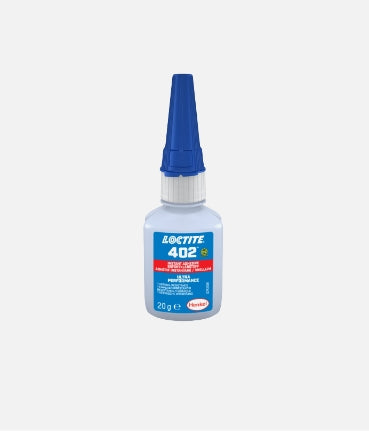
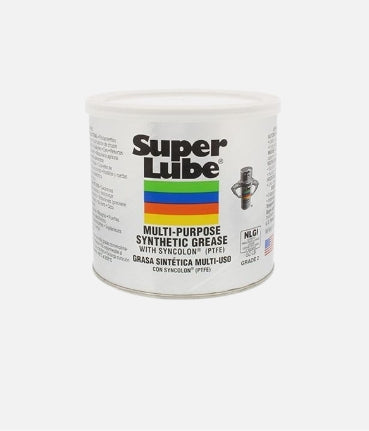
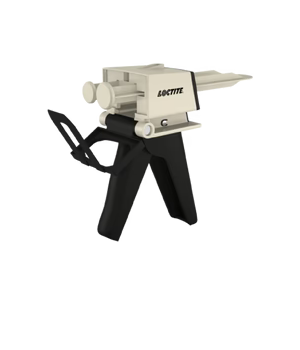
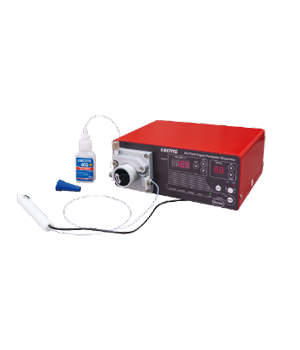
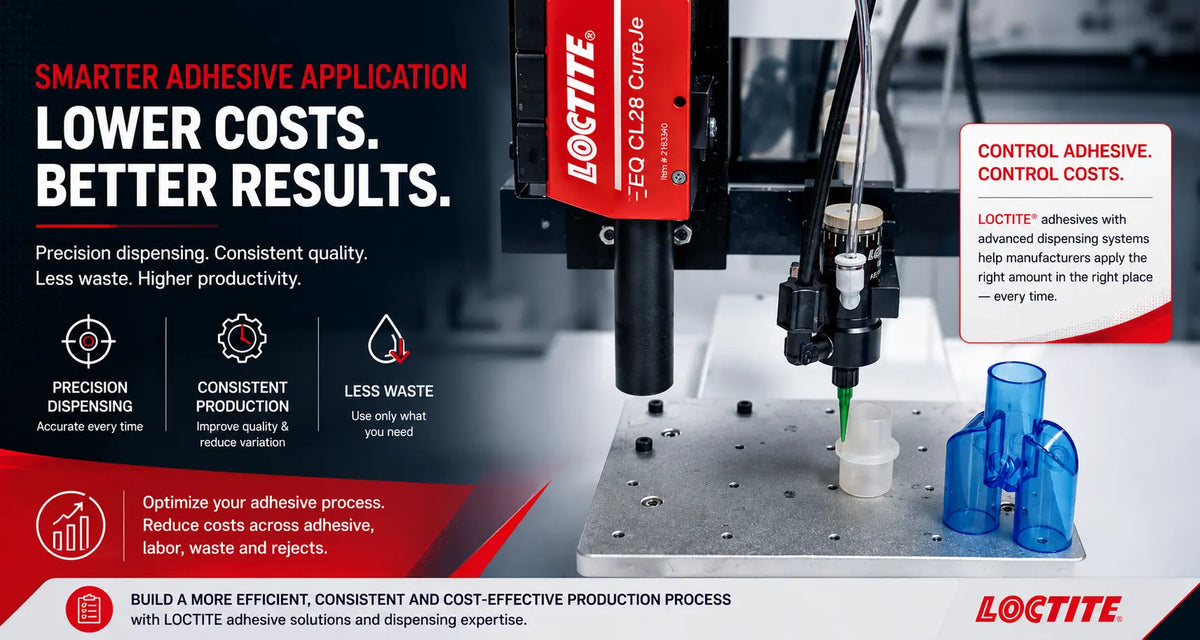
For manufacturers using industrial adhesives, the cost of the adhesive itself is only one part of the overall production cost.
How the adhesive is stored, measured, dispensed and applied can have an equally important impact on material consumption, labor requirements, production consistency and reject rates.
A small variation in adhesive volume may not seem significant on an individual component. However, when production reaches hundreds of thousands or millions of parts per year, even a small amount of unnecessary adhesive can become a substantial operating cost.
This is where an industrial adhesive dispensing system can make a difference.
By combining LOCTITE® industrial adhesives with compatible dispensing equipment and application technology, manufacturers can move from inconsistent manual application toward a more controlled and repeatable adhesive process.
The objective is not simply to automate adhesive application. It is to optimize the entire process so manufacturers can use adhesive more efficiently, improve production consistency and identify potential savings across labor, waste and rejects.
Is Manual Adhesive Application Increasing Your Production Costs?
Manual adhesive application can be appropriate for low-volume production or applications where automation is not practical.
However, as production volumes increase, manual dispensing can introduce several challenges.
Operators may apply slightly different quantities of adhesive from one part to another. Some components may receive more adhesive than required, while others may receive too little.
This variation can contribute to:
- Excessive adhesive consumption
- Material waste
- Inconsistent bond performance
- Longer application times
- Operator dependency
- Rework and rejected components
- Difficulty maintaining consistent production quality
For high-volume manufacturing, these small inefficiencies can add up quickly.
An automated or semi-automated adhesive dispensing system can help control the quantity and placement of adhesive, reducing some of the variation associated with manual application.
The right system depends on the adhesive, component design, production volume, required cycle time and level of automation.
What Is Industrial Adhesive Dispensing System?
An industrial adhesive dispensing system is designed to deliver a controlled quantity of adhesive to a specific location on a component or assembly.
Depending on the application, the system may include:
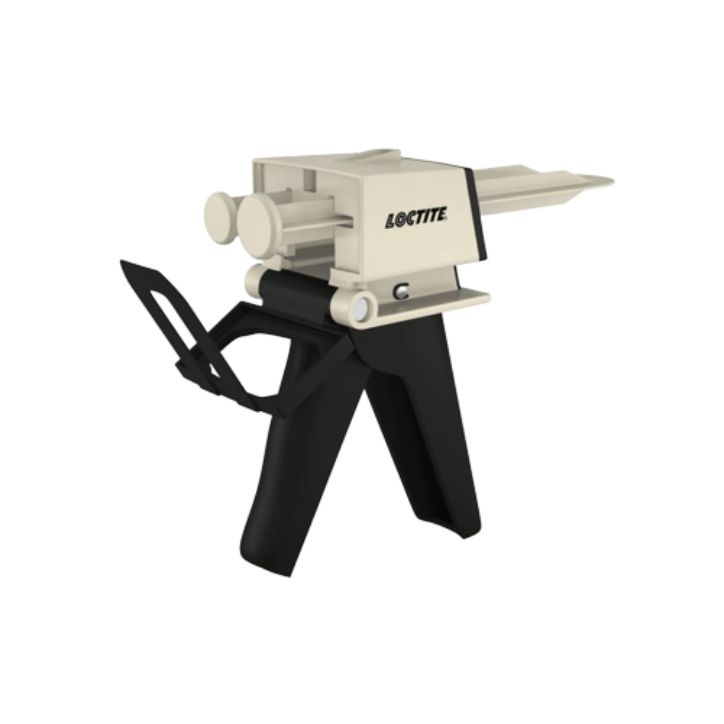
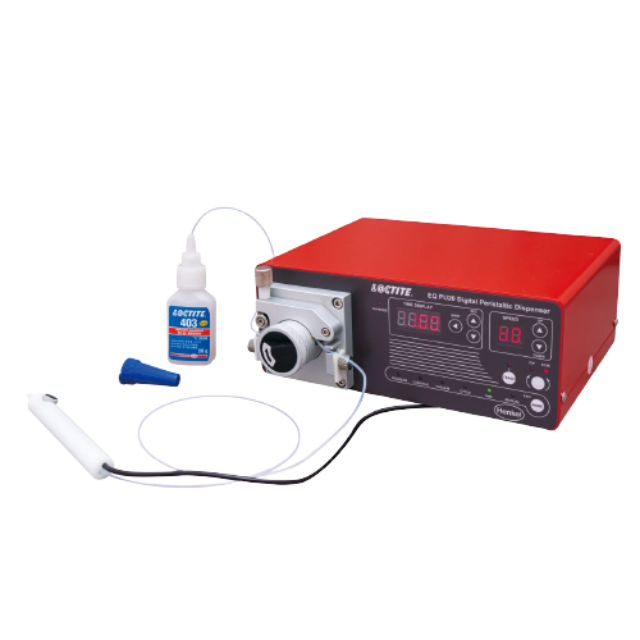
- Adhesive dispensing equipment
- Precision dispensing valves
- Cartridges or reservoirs
- Pressure or volumetric control
- Dispensing nozzles
- Fixtures and application accessories
- Automated or robotic equipment
- Controls and sensors
- Curing or process integration equipment
The objective is to make adhesive application more consistent and repeatable.
For example, instead of relying on an operator to manually apply an estimated amount of adhesive to every component, a dispensing system can be configured to deliver a controlled volume or repeatable bead pattern.
This can help manufacturers improve process control while reducing unnecessary adhesive consumption.
How LOCTITE Adhesive and Equipment Work Together
Selecting the right adhesive is important, but the adhesive must also be applied correctly for the production process.
Henkel LOCTITE integrated solution combines LOCTITE adhesive technologies with dispensing and application equipment designed around the requirements of the process.
The appropriate configuration can depend on factors such as:
- Substrate materials
- Adhesive type
- Required bond strength
- Adhesive viscosity
- Application volume
- Bead or dot size
- Production speed
- Cycle time
- Curing requirements
- Component geometry
- Required level of automation
Instead of treating adhesive selection and dispensing equipment as two completely separate decisions, an integrated approach considers how the adhesive and application system work together.
This can be particularly valuable when manufacturers are looking to improve an existing manual process or introduce automation into a production line.
5 Ways Adhesive Dispensing Automation Can Reduce Manufacturing Costs
1. Reduce Adhesive Consumption
One of the most direct opportunities is controlling how much adhesive is used on each component.
Manual application can result in inconsistent quantities. Over-application means the manufacturer is paying for adhesive that may not provide additional production value.
With controlled dispensing, manufacturers can work toward applying the required quantity more consistently.
For example, if an application uses 0.020 gram of adhesive per part and the adhesive cost is $1.00 per gram, the adhesive cost is approximately $0.02 per part.
At one million parts per year, that represents approximately $20,000 in adhesive consumption before considering other production costs.
Even a small improvement in unnecessary adhesive consumption can therefore have a meaningful financial impact at high production volumes.
The actual savings will depend on the existing application process, adhesive price, production volume and achievable dispensing accuracy.
2. Reduce Manual Labor
Adhesive application can involve more than simply dispensing the adhesive.
Operators may need to:
- Apply adhesive
- Position components
- Monitor application
- Handle dispensing equipment
- Inspect parts
- Correct inconsistent applications
- Rework defective components
As production volumes increase, these repetitive tasks can require significant manpower.
A semi-automated or automated dispensing process can reduce repetitive manual operations and allow operators to focus on other production activities.
The potential labor savings depend on the existing process and the level of automation implemented.
For example, the annual labor cost decrease from $40,000 for a manual process to $20,000 with the equipment solution by reducing the headcount from 2 to 1
3. Reduce Adhesive-Related Rejects and Rework
Inconsistent adhesive application can also affect production quality.
Too little adhesive may result in inadequate bonding, while excessive or incorrectly positioned adhesive can create other production problems.
A controlled dispensing process can help standardize adhesive quantity and placement.
For example, a reject rate can decrease from 10% to 5%, with annual wastage decreasing from $2,000 to $750.
The true cost of an adhesive process is not simply the price paid per gram of adhesive.
Manufacturers should also consider labor, waste, rejects, rework and production efficiency.
4. Improve Production Consistency
Consistency becomes increasingly important as production volumes increase.
When adhesive application depends heavily on individual operators, maintaining exactly the same quantity and placement across every component can be challenging.
A controlled dispensing system can help establish a repeatable application process.
This can support:
- Consistent adhesive volume
- Repeatable bead patterns
- Consistent adhesive placement
- Reduced operator variation
- Improved process control
- More predictable production results
For manufacturers supplying demanding industrial applications, repeatability can be just as important as reducing material consumption.
5. Improve Production-Line Efficiency
Adhesive dispensing can also be integrated into a wider production process.
Depending on the application, dispensing equipment may be combined with automation, robotics, fixtures or other production equipment.
This can help manufacturers streamline repetitive operations and potentially reduce unnecessary handling between process steps.
For high-volume production, improving cycle time by even a small amount can have a significant impact on overall output.
The goal is therefore not simply:
“How can we dispense adhesive automatically?”
The better question is:
“How can we optimize the entire adhesive application process?”
Illustrative LOCTITE Cost-Saving Example
The financial impact of an adhesive dispensing improvement can be easier to understand when the costs are considered together.
An illustrative Henkel example compares a manual adhesive application process with a proposed equipment solution.
| Cost Factor | Manual Process | Henkel Equipment Solution |
|---|---|---|
| Annual process cost | $77,000 | $40,750 |
| Annual process savings | — | $36,250 |
| Equipment investment | — | $23,000 |
| Estimated payback | — | 7.6 months |
Based on these figures, the proposed solution produces an estimated annual process saving of $36,250.
With an equipment investment of $23,000, the calculated payback is approximately 7.6 months.
The calculation is:
$23,000 ÷ $36,250 × 12 = approximately 7.6 months
This example demonstrates why manufacturers should evaluate the total cost of the adhesive application process, rather than focusing only on the cost of the adhesive itself.
Actual results will vary depending on adhesive consumption, production volume, labor costs, reject rates, equipment requirements and other operating conditions.
What Should You Consider Before Automating Adhesive Dispensing?
Not every application requires the same dispensing system.
Before selecting equipment, manufacturers should evaluate the existing production process and identify where the biggest opportunities exist.
Important considerations include:
Production Volume
Higher production volumes can make automation more attractive because savings are multiplied across a larger number of components.
Adhesive Quantity
If the process uses very small quantities of adhesive, accurate dispensing can help prevent unnecessary material consumption.
Application Pattern
Different components may require dots, beads, lines, rings or other application patterns.
Adhesive Properties
Viscosity, curing characteristics and other adhesive properties can affect dispensing requirements.
Cycle Time
The dispensing system must be capable of keeping up with the required production rate.
Component Geometry
Complex or difficult-to-access areas may require specialized dispensing equipment or automation.
Labor Requirements
Manufacturers should consider how much operator time is currently required for dispensing, inspection and rework.
Reject and Rework Rates
If adhesive application contributes to defects, improving process consistency may provide additional savings.
Future Automation
It is also worth considering whether the dispensing system needs to integrate with existing or future automation equipment.
Get a LOCTITE Adhesive Dispensing Cost-Saving Assessment
If your manufacturing process currently relies on manual adhesive application, there may be opportunities to improve consistency, reduce waste and lower operating costs.
The objective is to identify whether a LOCTITE adhesive and dispensing equipment solution makes commercial and technical sense for your application.
Rather than choosing equipment based solely on the lowest purchase price, the focus should be on finding a solution that delivers the right combination of performance, consistency, productivity and total cost of ownership.
Contact us today to discuss your adhesive application process and explore potential cost-saving opportunities.
Frequently Asked Questions
1. What is an industrial adhesive dispensing system?
An industrial adhesive dispensing system delivers a controlled quantity of adhesive to a specific location on a component or assembly. Depending on the application, it can range from manual or semi-automatic dispensing equipment to fully automated or robotic systems.
2. How can LOCTITE dispensing equipment reduce adhesive costs?
Controlled dispensing can help manufacturers apply a more consistent quantity of adhesive, potentially reducing over-application, unnecessary consumption and adhesive waste.
3. Can adhesive dispensing automation reduce labor costs?
It can, depending on the application. Automating repetitive dispensing operations can reduce the amount of manual work required and allow operators to focus on other production tasks.
4. Can automated dispensing reduce production rejects?
If inconsistent adhesive quantity or placement contributes to existing defects, a more controlled dispensing process may help reduce variation and improve repeatability. Actual results depend on the cause of the existing rejects.
5. Is automated adhesive dispensing suitable for high-volume manufacturing?
Yes. High-volume applications can benefit significantly from repeatable dispensing because even small savings per component can accumulate into substantial annual savings.
6. How do I choose the right LOCTITE adhesive dispensing system?
The correct configuration depends on the adhesive, substrate, application volume, dispensing pattern, production speed, cycle time, curing requirements, component geometry and desired level of automation.
7. How much does an industrial adhesive dispensing system cost?
Equipment cost varies significantly depending on the application and level of automation required. A proper assessment should consider the expected savings from adhesive consumption, labor, waste, rejects and production efficiency rather than equipment price alone.
8. Can an existing manual LOCTITE application process be automated?
In many cases, manual processes can be evaluated for semi-automation or full automation. The feasibility depends on the adhesive, component design, application method, production volume and required cycle time.
9. How can I calculate my potential savings?
Start by measuring your current adhesive consumption, adhesive cost, labor requirements, reject rate, rework, production volume and application time. These figures can then be compared against the expected operating cost and investment required for a dispensing solution.
10. How can I find out whether my production process can benefit from adhesive dispensing automation?
Contact us for an assessment of your current adhesive application process. By reviewing your production requirements and current costs, we can help identify potential opportunities to improve dispensing consistency, reduce waste and determine whether automation could provide a worthwhile return on investment.
发表评论
所有评论在发布前都会经过审核。
此站点受 reCAPTCHA 保护,并且 Google 隐私政策和服务条款适用。