
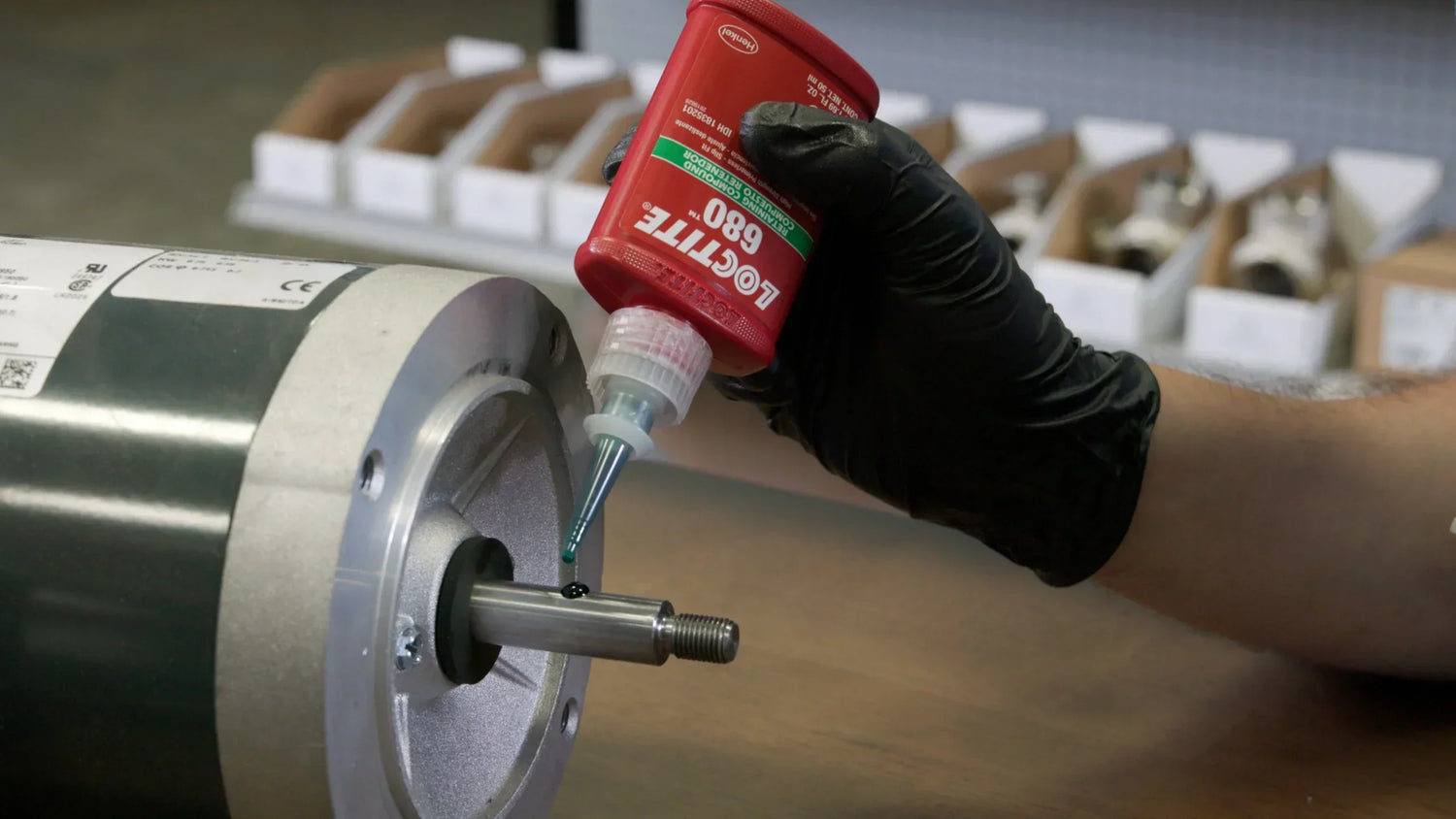
In modern mechanical engineering, securing cylindrical components such as bearings, bushings, gears, and shafts is critical for operational reliability. Traditional mechanical fastening methods—like press fits, keys, or set screws—can introduce stress concentrations and wear over time. This is where anaerobic retaining compounds provide a superior solution.
What Are Anaerobic Retaining Compounds?
Anaerobic retaining compounds are single-component adhesives that cure in the absence of oxygen and in the presence of active metal ions. They are specifically designed to bond close-fitting cylindrical metal parts to prevent movement, leakage, and corrosion.
Unlike conventional adhesives that cure through evaporation or mixing, anaerobic formulations remain liquid when exposed to air. They polymerize only when confined between metal surfaces where oxygen is excluded.
The Science Behind Anaerobic Curing
The working mechanism of anaerobic retaining compounds relies on two key conditions:
Absence of Oxygen
Oxygen inhibits the curing process. When the adhesive is applied between tightly fitted metal parts (such as a shaft and hub), oxygen is displaced, triggering polymerization.
Presence of Metal Ions
Active metals surfaces like steel and iron provide ions that accelerate the curing reaction. These ions activate the initiator system within the adhesive, causing rapid cross-linking of monomers into a durable thermoset plastic.
This curing process creates a strong, load-bearing bond that evenly distributes stress across the entire mating surface. The result is improved torque transmission and resistance to shock and vibration.
Key Benefits of Anaerobic Retaining Compounds
1. Increased Load Capacity
By filling microscopic gaps between parts, retaining compounds eliminate backlash and distribute forces evenly. This often increases the load-bearing capability of assemblies compared to traditional press fits.
2. Prevention of Fretting Corrosion
Micromovements between metal components can cause fretting corrosion. Anaerobic adhesives lock parts in place, preventing movement and surface degradation.
3. Sealing Capability
These compounds also act as sealants, preventing fluid leakage and protecting assemblies from environmental contamination.
4. Reduced Need for Mechanical Fasteners
Retaining compounds can replace keys, splines, and set screws, simplifying design and reducing machining costs.
Typical Applications
Anaerobic retaining compounds are widely used in:
- Bearing retention on shafts and housings
- Gear and sprocket mounting
- Rotor and pulley assemblies
- Press-fit component reinforcement
- Electric motor assemblies
They are particularly valuable in industries such as automotive manufacturing, heavy machinery, aerospace, and industrial maintenance.
Why Choose Loctite Retaining Compounds?
When it comes to proven performance, Loctite retaining compounds are the global benchmark for reliability and strength.
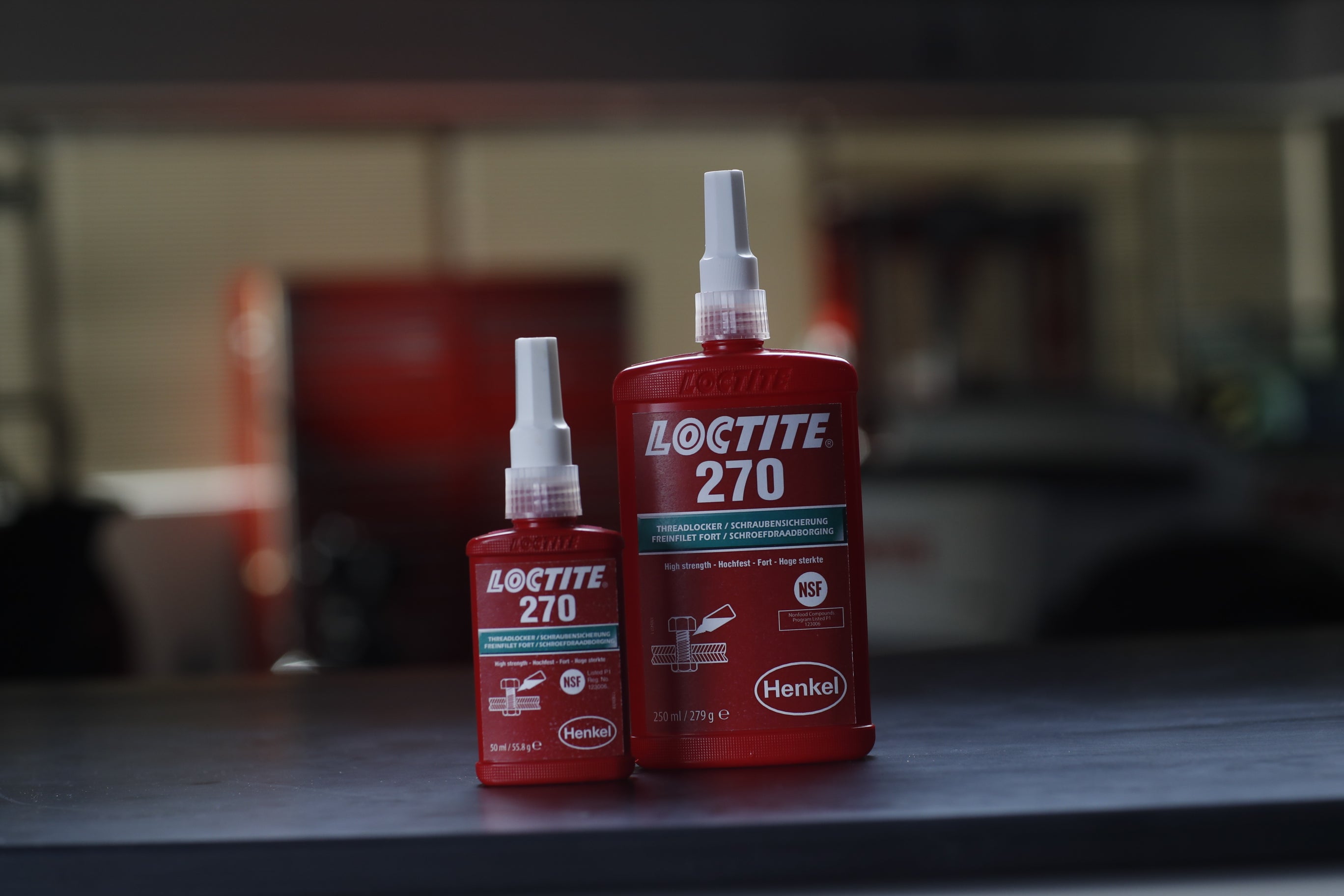
Loctite offers a full range of retaining solutions engineered for different gap sizes, strength requirements, and temperature resistance levels. Popular products such as:
- Loctite 638 – High-strength, fast-curing compound ideal for active metals
- Loctite 648 – Designed for high-temperature applications
- Loctite 603 – Excellent for oil-tolerant bonding
These products deliver exceptional shear strength, vibration resistance, and durability in demanding environments.
Loctite retaining compounds are manufactured by Henkel, a global leader in adhesive technology, ensuring consistent quality and compliance with international standards.
For engineers and maintenance professionals seeking dependable cylindrical bonding solutions, Loctite provides unmatched technical support and product performance.
Conclusion
Anaerobic retaining compounds work by curing in oxygen-free environments in the presence of metal ions, forming a strong thermoset bond between cylindrical components. This technology enhances load capacity, prevents corrosion, and eliminates the limitations of traditional mechanical fastening.
By choosing Loctite retaining compounds, manufacturers and maintenance teams gain access to industry-leading adhesive technology that improves assembly reliability, extends service life, and reduces overall maintenance costs.
FAQs
1. What surfaces work best with anaerobic retaining compounds?
They perform best on metal surfaces such as steel, iron, brass, and aluminum. Inactive metals may require a primer to accelerate curing.
2. How long does it take for anaerobic retaining compounds to cure?
Fixture time typically ranges from a few minutes to an hour, depending on the product and material. Full cure is generally achieved within 24 hours.
3. Can anaerobic retaining compounds fill large gaps?
They are designed for close-fitting cylindrical parts. However, specific grades like Loctite 638 can accommodate larger gaps up to 0.25 mm.
4. Are retaining compounds removable?
Yes. High-strength grades may require heat and specialized tools for disassembly, while medium-strength versions allow easier removal.
5. Do anaerobic adhesives resist heat and chemicals?
Yes. Many Loctite retaining compounds are formulated to withstand high temperatures, oils, coolants, and industrial chemicals, making them suitable for harsh operating conditions.

发表评论
所有评论在发布前都会经过审核。
此站点受 reCAPTCHA 保护,并且 Google 隐私政策和服务条款适用。