

When it comes to industrial plastic bonding, performance, consistency, and reliability are non-negotiable. Unlike DIY adhesives, industrial-grade solutions are engineered for demanding environments high-speed production lines, tight tolerances, and exposure to chemicals, heat, and vibration.
That’s where Loctite industrial adhesives lead the market. Designed for engineers, manufacturers, and MRO professionals, Loctite’s range of cyanoacrylates and structural adhesives delivers precision bonding across a wide variety of plastics.
Why Choose Industrial-Grade Plastic Adhesives?
Industrial bonding applications require more than just “strong glue.” You need:
- Fast fixture speeds to increase production efficiency
- Controlled viscosity for precision assembly
- Compatibility with engineering plastics
- Repeatable performance across thousands of parts
Loctite industrial adhesives are formulated to meet these exact requirements, making them ideal for sectors such as electronics, automotive, medical devices, and precision engineering.
Key Industrial Loctite Plastic Bonding Adhesives
1. Loctite 406: Precision Bonding for Plastics & Elastomers
Loctite 406 is one of the most widely used industrial instant adhesives for plastic bonding.
- Ultra-low viscosity for tight-fitting components
- Bonds plastics, rubber, and elastomers
- Fast fixture time (seconds)
- Works with primer (e.g. SF 770) for PE, PP, PTFE
It is specifically designed for capillary action, allowing the adhesive to wick into very small gaps ideal for pre-assembled parts and high-speed production lines.
Best for: Electronics, medical components, precision plastic assemblies
2. Loctite 401: Versatile General Assembly Adhesive
Loctite 401 is a true industrial workhorse, suitable for bonding multiple substrates including plastics.
- Medium viscosity for controlled application
- Bonds plastics, metals, and elastomers
- Fast curing (~5 seconds fixture time)
- High shear strength (~20 N/mm²)
Its versatility makes it ideal for mixed-material assemblies, where plastic components are bonded to metal housings or rubber parts.
Best for: General manufacturing, MRO, multi-material bonding

3. Loctite 480: Impact-Resistant Plastic Bonding
For applications requiring durability under stress, Loctite 480 offers enhanced toughness.
- Rubber-toughened cyanoacrylate
- High peel and impact resistance
- Suitable for dynamic loads and vibration
Unlike standard instant adhesives, Loctite 480 is designed to withstand shock and stress, making it ideal for automotive and industrial equipment.
Best for: Automotive plastics, vibration-prone assemblies

4. Loctite 4090: Gap Filling & Structural Performance
Loctite 4090 is a hybrid cyanoacrylate designed for applications where parts don’t fit perfectly.
- High viscosity for gap filling (up to 5 mm)
- Fast curing with structural strength
- Suitable for plastics, metals, and composites
This makes it highly valuable in real-world industrial settings where perfect tolerances are not always achievable.
Best for: Assembly lines, repair work, uneven plastic surfaces
Industrial Applications
Loctite plastic bonding adhesives are widely used in:
- Electronics Manufacturing: bonding housings, connectors, and components
- Automotive Industry: plastic trims, clips, and interior assemblies
- Medical Devices: precision plastic parts requiring clean, fast bonding
- Industrial Equipment: plastic-to-metal assemblies and repairs
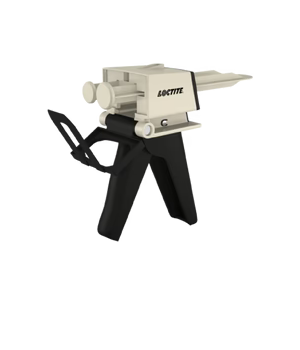
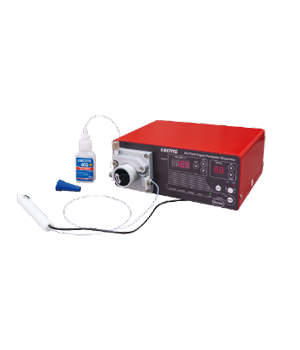
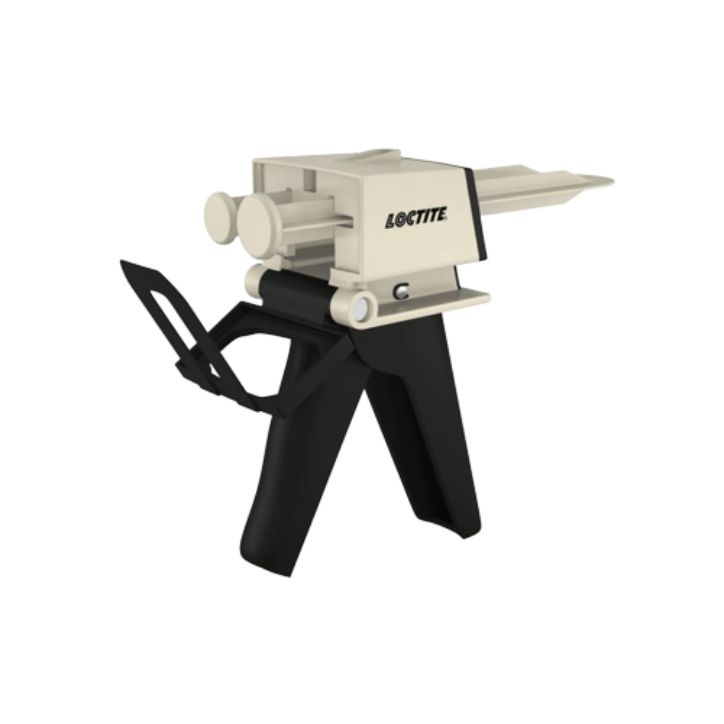
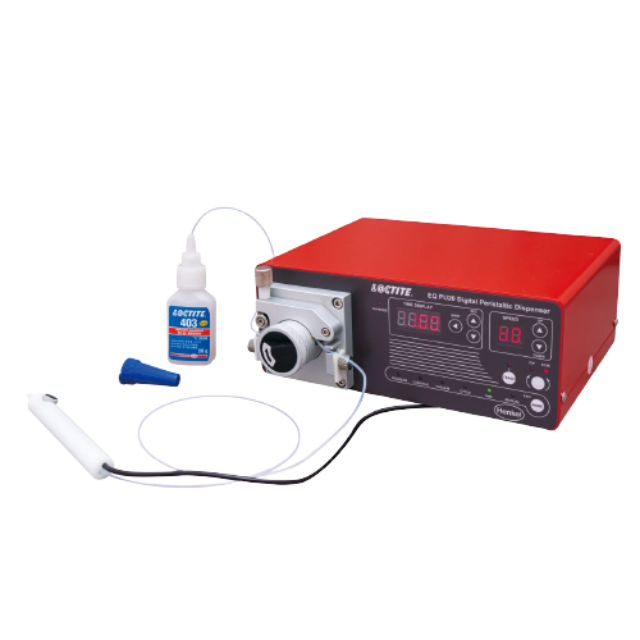
These adhesives are designed for automation compatibility, including dispensing systems and robotic application.
Pro Tips for Industrial Use
To maximise performance in production environments:
- Use Loctite SF 770 primer for difficult plastics (PE, PP)
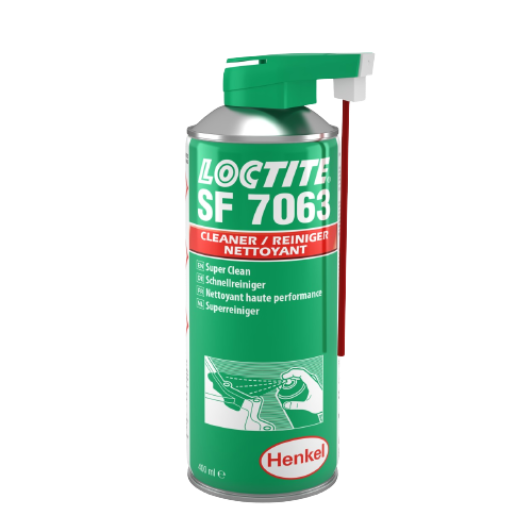
- Ensure surface cleanliness to prevent bond failure
- Select the right viscosity for your assembly process
- Consider fixture time vs. open time for automation
Conclusion
For industrial plastic bonding, not all adhesives are created equal. Loctite offers a comprehensive portfolio of high-performance solutions from ultra-fast instant adhesives like Loctite 406 to impact-resistant options like Loctite 480.
By choosing the right industrial-grade adhesive, manufacturers can improve efficiency, reduce failure rates, and achieve long-lasting, high-strength bonds even in the most demanding environments.
Frequently Asked Questions (FAQ)
1. What plastics can Loctite adhesives bond?
They bond most plastics (ABS, PVC, polycarbonate, nylon). For PE, PP, and PTFE, use a primer like Loctite SF 770.
2. How do I choose the right adhesive?
- Precision/tight fits: Loctite 406
- General use: Loctite 401
- Impact resistance: Loctite 480
- Gap filling: Loctite 4090
3. What is fixture time?
It’s the time needed for the adhesive to set enough to hold parts in place usually seconds for faster production.
4. Are these suitable for automation?
Yes, they’re designed for automated dispensing and high-speed production lines.
5. Is surface preparation necessary?
Yes. Clean, dry surfaces are essential. Use primers for difficult plastics.
6. Can they handle heat and chemicals?
Yes, but performance varies by product, please check technical specifications.
7. Can they bond plastic to other materials?
Yes. Products like Loctite 401 and Loctite 4090 bond plastics to metal and rubber.
Leave a comment
All comments are moderated before being published.
This site is protected by reCAPTCHA and the Google Privacy Policy and Terms of Service apply.