
If you’ve ever stood in the adhesives aisle wondering which Loctite to use, you’re not alone. Loctite offers a wide range of threadlockers, sealants, and adhesives designed for different materials and environments. Choosing the right one is essential for safety, durability, and performance. This guide breaks down the most common Loctite options so you can confidently pick the right product for your project.
Understanding Loctite Threadlocker Colors
When most people ask which Loctite to use, they’re usually referring to threadlockers—the colored adhesives used to secure bolts and fasteners. Each color represents a different strength and purpose.
Loctite Purple (222) – Low Strength
Use Loctite 222 when working with small screws or delicate materials that could be damaged by stronger adhesives.
Best for:
- Electronics
- Eyeglasses screws
- Small machine screws
This is the perfect choice when you need the screw to stay put but still want easy removal with hand tools.
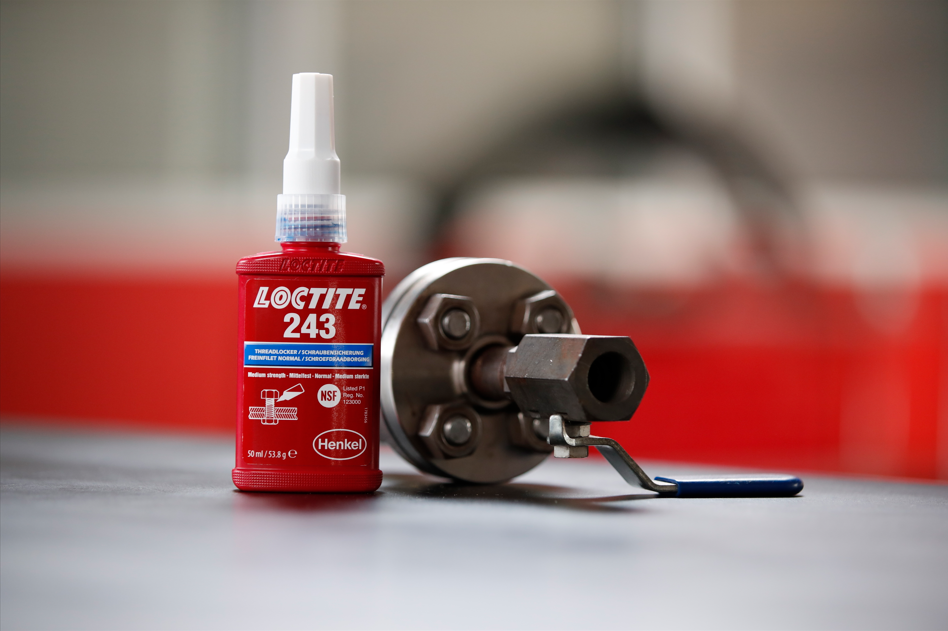
Loctite Blue (243) – Medium Strength
If you’re unsure which Loctite to use for general household or automotive work, blue threadlocker is the most versatile option. It prevents fasteners from loosening due to vibration yet still allows for removal with standard tools.
Best for:
- Automotive bolts
- Bicycles
- Power tools
- Household repairs
Loctite 243 is oil-resistant, making it ideal for slightly oily surfaces like engine components.
Loctite Red (271) – High Strength
When you need a permanent bond, choose Loctite Red. This is designed for heavy-duty applications where fasteners must not loosen under extreme conditions.
Best for:
- Heavy machinery
- Structural bolts
- Automotive suspension components
Keep in mind that red threadlocker often requires heat (around 500°F) for removal.
Loctite Green (290) – Wicking Grade
Green is unique because it’s designed to penetrate pre-assembled fasteners. If you’ve already tightened a bolt and want to secure it afterward, this is the right choice.
Best for:
- Hard-to-reach assemblies
- Preassembled fasteners
- Electrical connectors
Which Loctite to Use for Plastics?
Standard threadlockers are not suitable for plastics threads, so Loctite created formulas Loctite 425 for locking metal and plastic fasteners. Always check compatibility before applying.
For Common Plastics (ABS, PVC, Polystyrene)
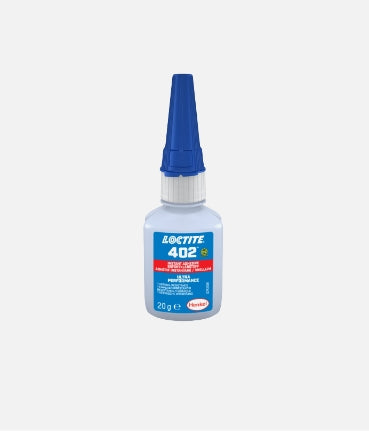
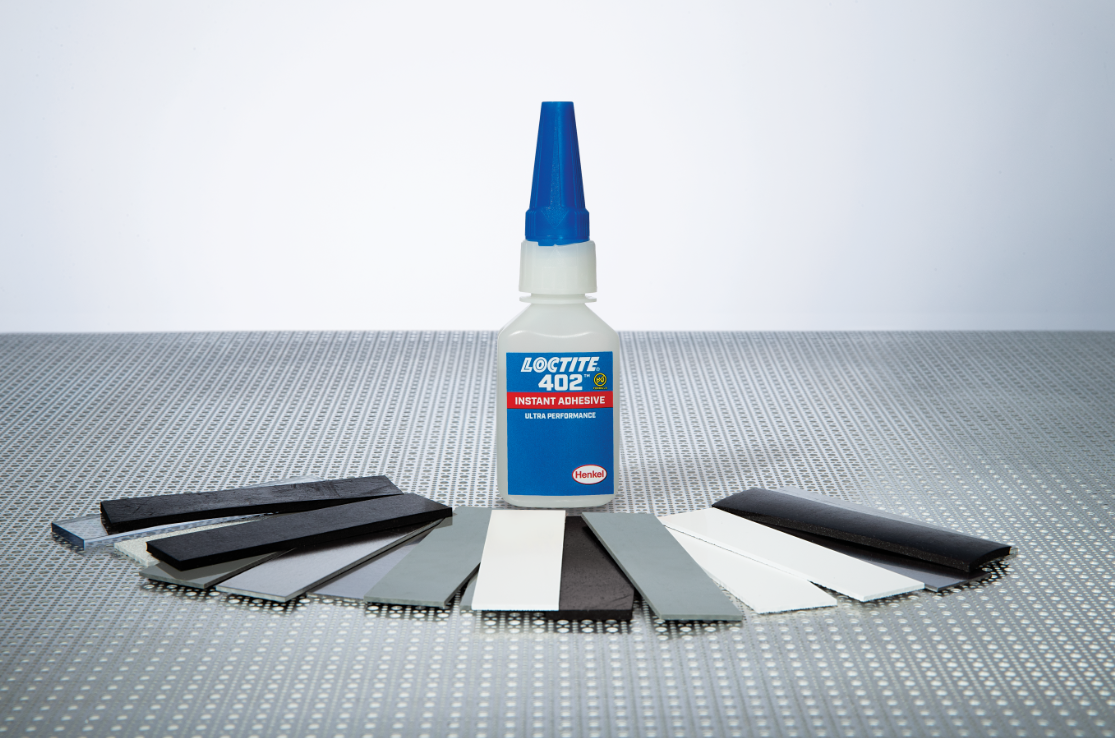
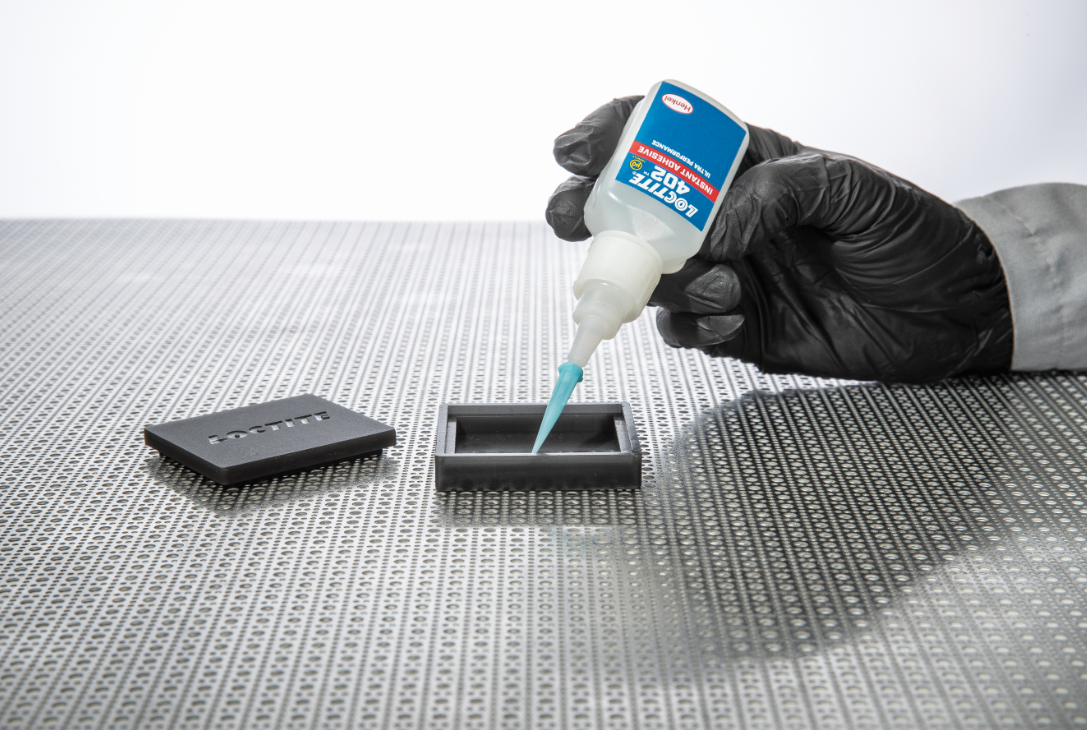
- Loctite 406, 495: Ideal for fast, strong bonds on most household plastics.
For Hard-to-Bond Plastics (Polyethylene, Polypropylene, PTFE)
- Loctite 770 Primer + Super Glue: primer modifies the surface, allowing super glue to bond these low-surface-energy plastics effectively.
Which Loctite to Use for Sealing and Gaskets?
If your project involves sealing instead of locking, consider:
- Loctite 518 for flange sealing, general-purpose anaerobic sealant used on rigid metal flanges. It cures in the absence of air between close-fitting metal parts to form a flexible, solvent-resistant seal.
- Loctite 567 for pipe thread sealing, for locking and sealing tapered metal threads (up to M80/R3") in applications like chemical, gas, automotive, and marine.
- Loctite 5699 for gasket making excellent for rigid flange sealing (like transmissions, cast metal housings) and general gasketing on metal/plastic, offering great oil and water-glycol resistance, curing into a tough rubber gasket when exposed to air moisture, and becoming tack-free quickly.
FAQ
1. What do Loctite colors mean?
Loctite threadlocker colors represent strength levels:
- Purple (222): Low strength
- Blue (243): Medium strength
- Red (271): High strength
- Green (290): Wicking grade for preassembled fasteners
2. Can Loctite be used on plastic?
Standard threadlockers should not be used on plastics. Instead, use Loctite 425 for plastic fasteners or Loctite 406 or 495 for bonding common plastics. For hard-to-bond plastics, pair Loctite 770 Primer with the corresponding instant adhesives.
3. Which Loctite is strongest?
Loctite Red (271) is the strongest and is designed for permanent or heavy-duty threadlocking. Removal requires heat.
4. What Loctite should I use for sealing threads or making gaskets?
- Loctite 518: Flange sealing on rigid metal surfaces
- Loctite 567: Pipe thread sealing on metal threads
- Loctite 5699: Gasket making for metal and plastic housings
5. Can Loctite be removed once applied?
- Purple/Blue: Removable with standard hand tools
- Red: Requires heat (about 500°F) before removal
- Green: May require heat depending on the application
Leave a comment
All comments are moderated before being published.
This site is protected by reCAPTCHA and the Google Privacy Policy and Terms of Service apply.