
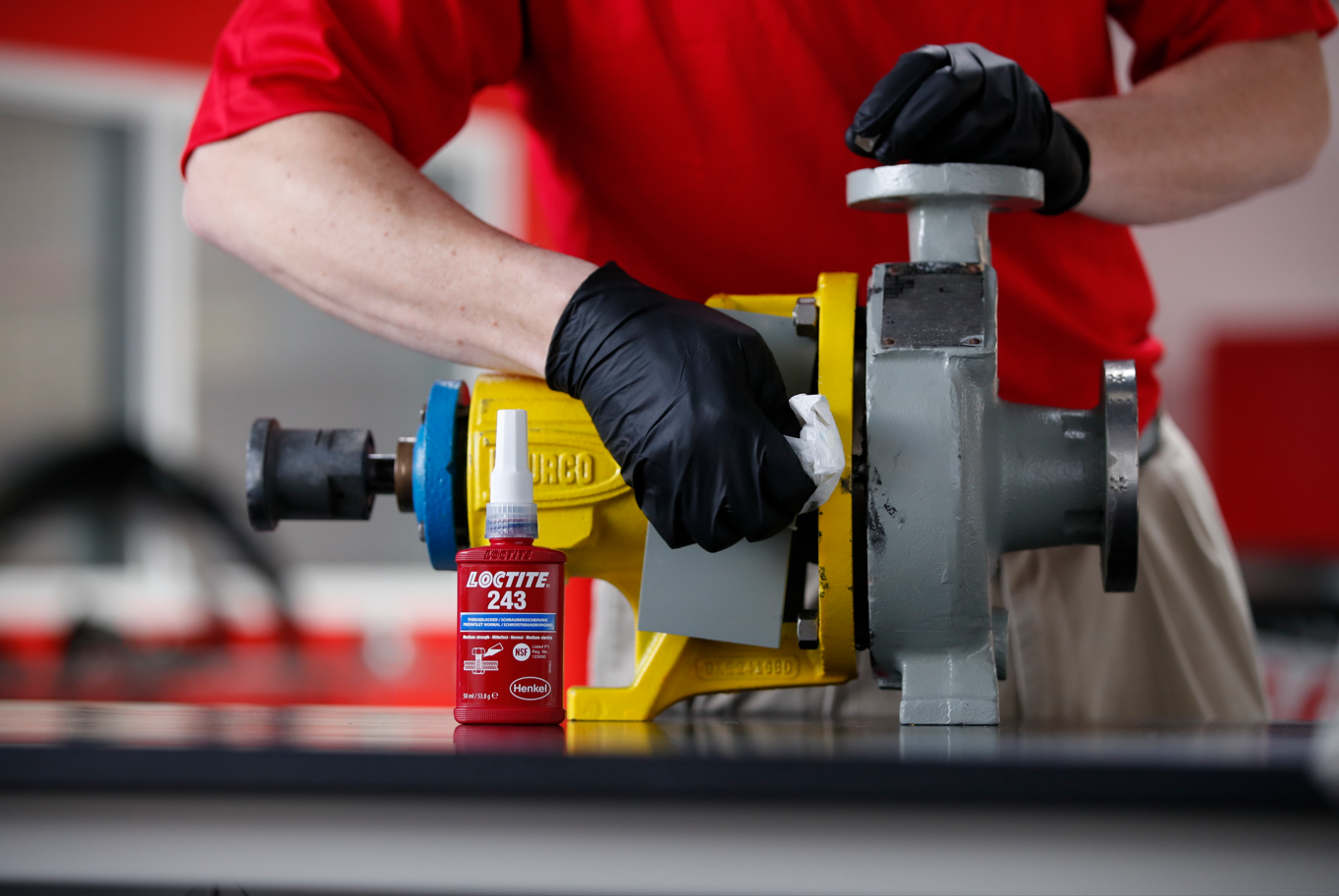
If you’ve ever asked yourself which Loctite is removable, you’re not alone. Loctite threadlockers are designed to prevent bolts, screws, and fasteners from loosening due to vibration, but not all of them are meant to be permanent. Choosing the correct removable Loctite is essential if you expect to disassemble parts for maintenance, repairs, or upgrades in the future.
This guide explains which Loctite products are removable, how removable they are, and when you should (or shouldn’t) use each option.
Understanding Loctite Strength Levels
Loctite threadlockers are commonly identified by color, and each color represents a different strength level. When determining whether a Loctite is removable, the key factors are breakaway torque and whether heat is required for removal.
Generally speaking:
- Low- and medium-strength Loctite products are removable with hand tools
- High-strength products may require heat or specialized tools
Let’s break them down.
Loctite Purple (222) – Easily Removable
Loctite Purple 222 is the most removable threadlocker Loctite offers. It is a low-strength formula designed for small fasteners and delicate assemblies.
Best Uses:
- Electronics
- Eyeglasses screws
- Small machine screws
- Precision instruments
Removability:
Loctite 222 can be removed easily using standard hand tools with minimal force. It is ideal when you want vibration resistance without risking stripped threads or damaged components.
If your priority is easy disassembly, purple Loctite is the safest choice.
Loctite Blue (242 / 243) – Removable with Hand Tools
When people ask which Loctite is removable for general use, the answer is almost always Loctite Blue.
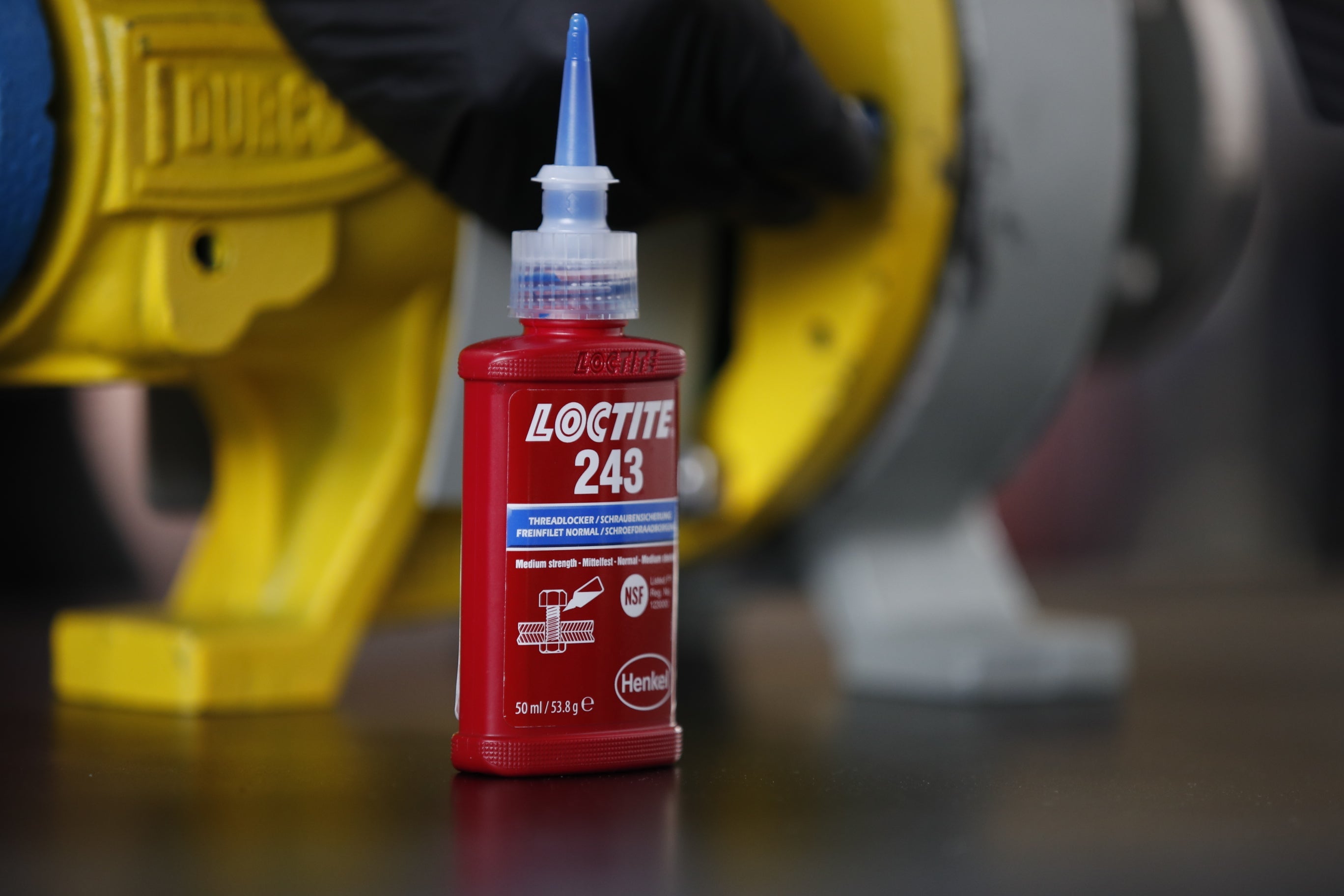
Loctite 242 and Loctite 243 are medium-strength threadlockers designed to balance holding power with removability.
Best Uses:
- Automotive bolts
- Bicycles
- Power tools
- Household repairs
- Machinery requiring routine maintenance
Removability:
Blue Loctite is fully removable using standard hand tools such as wrenches or screwdrivers. No heat is required in most cases.
Loctite 243 is oil-resistant, making it especially useful in automotive and industrial environments where surfaces may not be perfectly clean.
Loctite Green (290) – Conditionally Removable
Loctite Green 290 is a wicking-grade threadlocker designed to penetrate already-assembled fasteners.
Best Uses:
- Preassembled fasteners
- Hard-to-reach bolts
- Electrical connectors
Removability:
Green Loctite is technically removable, but removal difficulty depends on fastener size and application. Smaller fasteners can often be removed with hand tools, while larger ones may require heat.
Because it wicks into tight spaces, removal can sometimes be more challenging than blue threadlocker.
Loctite Red (271 / 272) – Not Easily Removable
If you are specifically looking for removable Loctite, red is usually not recommended.
Loctite Red 271 and Loctite 272 are high-strength threadlockers designed for permanent or near-permanent assemblies.
Best Uses:
- Heavy machinery
- Structural bolts
- Suspension components
- Industrial equipment
Removability:
Red Loctite is not removable with standard hand tools. Removal typically requires:
- Heat of approximately 500°F (260°C)
- Heavy-duty tools
While it can be removed under the right conditions, it is best considered permanent for most users.
Which Loctite Should You Choose If You Need Removability?
Here’s a quick recommendation based on removability needs:
- Easy removal: Loctite Purple 222
- Reliable but removable: Loctite Blue 242 or 243
- Post-assembly locking (limited removal): Loctite Green 290
- Permanent (not recommended for removal): Loctite Red 271/272
Final Thoughts
So, which Loctite is removable?
The best removable options are Loctite Purple (222) and Loctite Blue (242/243). They provide strong vibration resistance while still allowing disassembly with basic tools.
Before choosing a threadlocker, always consider whether future maintenance or adjustments will be required. Selecting the right removable Loctite can save time, prevent damage, and make repairs far easier down the road.
If you’re ever unsure, remember this rule: when in doubt, choose blue.
FAQ: Which Loctite Is Removable
1. Which Loctite is the easiest to remove?
Loctite Purple (222) is the easiest to remove. It is a low-strength threadlocker designed for small fasteners and delicate components and can be removed easily with hand tools.
2. Is Loctite Blue removable?
Yes. Loctite Blue 242 and 243 are medium-strength threadlockers that are fully removable using standard hand tools, making them ideal for applications requiring future maintenance.
3. Can Loctite Red be removed?
Loctite Red can be removed, but it is not considered removable under normal conditions. It typically requires heat of around 500°F (260°C) and heavy-duty tools to break the bond.
4. Is Loctite Green removable?
Loctite Green (290) is removable in some cases. Smaller fasteners can often be removed with hand tools, but larger or tightly fitted fasteners may require heat due to its wicking action.
5. Which Loctite should I use if I need to disassemble parts later?
If future disassembly is required, choose Loctite Purple 222 for light-duty applications or Loctite Blue 242/243 for general-purpose use.
6. Does removable Loctite lose strength over time?
No. Removable Loctite maintains its holding power under vibration and temperature changes while still allowing disassembly when needed.
7. How long does removable Loctite take to cure?
Most removable Loctite products achieve handling strength within 10–20 minutes and reach full cure in 24 hours, depending on conditions and materials.
Leave a comment
All comments are moderated before being published.
Situs ini dilindungi oleh reCAPTCHA dan berlaku Kebijakan Privasi dan Persyaratan Layanan Google.